What Does a Vacant Retail Space Really Cost a Landlord?
While a space sits empty, the owner may be losing income, paying ongoing expenses, and preparing to spend more before a replacement tenant opens its doors.
Rafael Weiss
Sytes Editorial
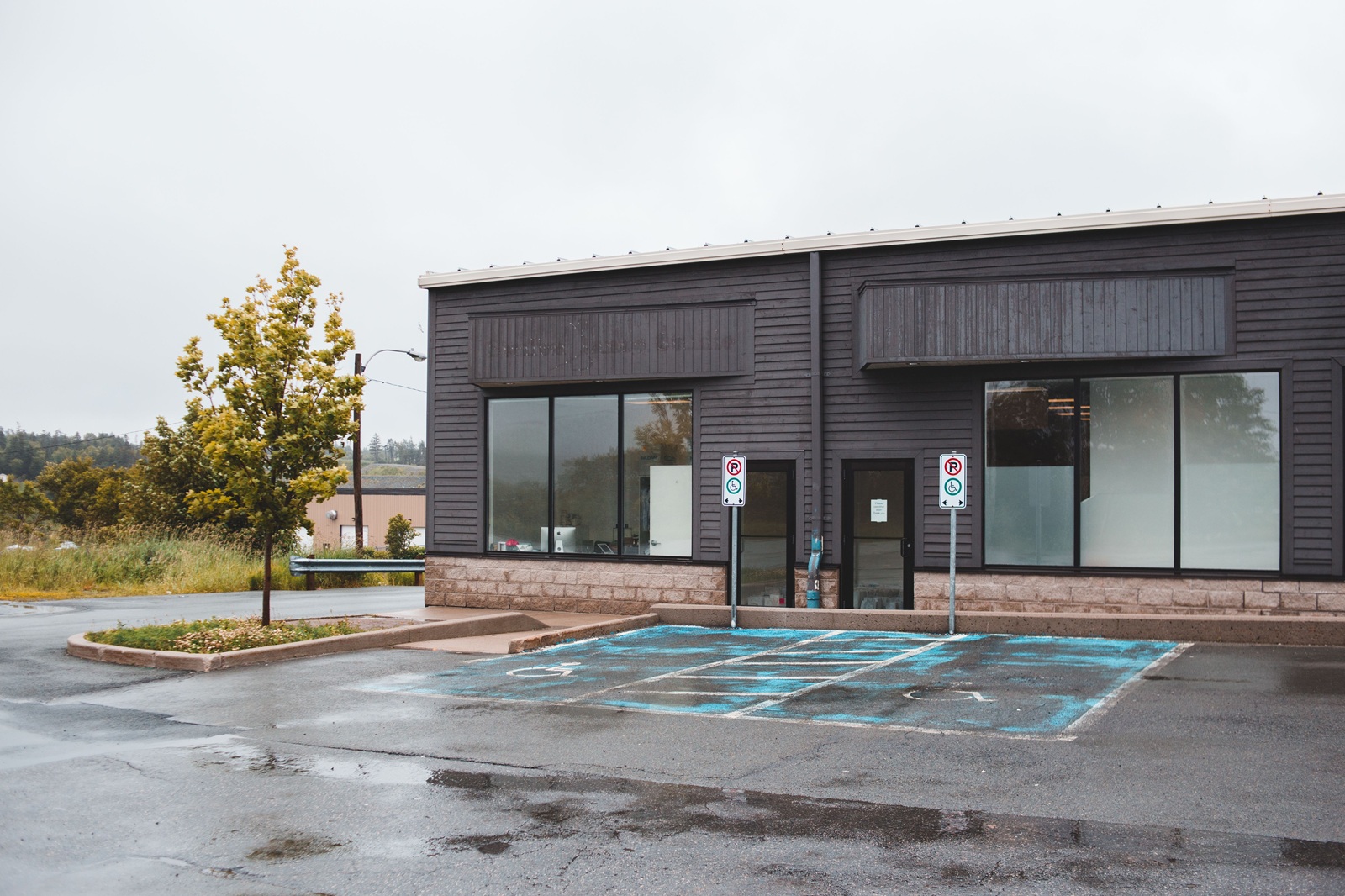
A vacant retail space can look like a temporary inconvenience: the previous tenant moves out, the leasing team starts marketing the property, and everyone waits for the next deal. But vacancy is rarely a pause button. While a space sits empty, the owner may be losing income, paying ongoing expenses, and preparing to spend more before a replacement tenant opens its doors. The real cost is often larger than the rent that isn’t coming in.
Start with the obvious number: lost rent. If a 5,000-square-foot space could lease for $30 per square foot annually, a full year of vacancy represents $150,000 in potential base rent. That figure is easy to calculate, but it is only the starting point. A landlord still has property taxes, insurance, common-area maintenance, utilities, and other operating costs to cover. Some expenses may decline when a space is empty, but they rarely disappear; fixed costs keep coming due.
The timeline matters, too. A space may be vacant for six months before a lease is signed, but that doesn’t mean rent starts flowing in month seven. The new tenant might need permits, construction, inspections, equipment installation, and time to hire staff before opening. Depending on the lease, the landlord may also agree to free rent during part of that period. A signed lease is progress, but it is not the same as a rent-paying business.
Then there are the costs required to win the next tenant. A landlord may pay a brokerage commission, contribute a tenant improvement allowance, or fund work to make the space suitable for the incoming business. A former restaurant may need substantial plumbing, ventilation, or electrical changes before it can serve a new concept. Even a basic retail suite might need paint, flooring, lighting, signage, or repairs. These expenses vary by property and tenant, but they can turn a straightforward lease-up into a significant capital project.
Consider a simplified example. Assume a 5,000-square-foot space has potential base rent of $150,000 per year and takes nine months to get from vacancy to rent commencement. That creates $112,500 in lost base rent before operating expenses. If the owner also spends $40,000 on improvements and leasing costs, the direct financial impact reaches $152,500, excluding carrying costs and any rent concessions after the lease begins. Those are hypothetical numbers, not a market benchmark; the point is how quickly costs add up.
Vacancy can also create less visible costs. An empty storefront may make a center feel quieter to shoppers and prospective tenants. In some properties, neighboring tenants may worry about foot traffic, visibility, or the quality of the tenant mix. A dark storefront does not automatically damage a property’s reputation, but a prolonged vacancy in a prominent location can make leasing the remaining spaces more difficult. The cost can extend beyond one suite if it affects the center’s overall appeal.
That is why the goal shouldn’t be to fill every space at any price. A tenant with weak financials, a poor operational fit, or unrealistic expectations may create another vacancy problem a year or two later. Accepting lower rent can also be the right decision if it brings in a strong tenant quickly and reduces downtime; the best choice depends on the full economics, not just the asking rate. A landlord should compare the cost of waiting with the long-term value and reliability of the proposed tenant.
The most useful way to evaluate vacancy is to model the whole lease-up period. Estimate lost rent, ongoing expenses, improvement costs, commissions, concessions, and the time between signing and opening. Then test different scenarios: What if the space takes three months longer to lease? What if the incoming tenant needs more work than expected? What if slightly lower rent secures a stronger tenant sooner?
Vacancy is not just an empty box on a rent roll. It is a financial position that changes every month, and understanding its full cost makes it easier to choose the right next move. Better information about tenant demand and site requirements can help owners connect with viable prospects earlier, before time and carrying costs start negotiating for them.