The AI Boom Is Creating Industrial Real Estate Demand Beyond Data Centers
As new industries invest in physical infrastructure, their suppliers and service providers can become tenants in their own right.
Rafael Weiss
Sytes Editorial
When people talk about the artificial intelligence boom and commercial real estate… well, they don’t, actually. The conversation usually centers on data centers: enormous buildings, extraordinary power requirements, and billions of dollars in investment. But some of the more interesting real estate consequences are happening outside those buildings, in the warehouses, logistics facilities, and industrial properties that support their construction and operation.
That demand is becoming increasingly visible. In October, JLL reported that data center construction was helping drive warehouse demand and rent growth, particularly around major freight hubs such as Dallas–Fort Worth and Washington, D.C. CoStar has also found that data-center-adjacent businesses are accounting for a growing share of industrial leasing near these facilities. The bigger story is that an investment boom in one property type can create opportunities in another.
The Buildings Around the Buildings
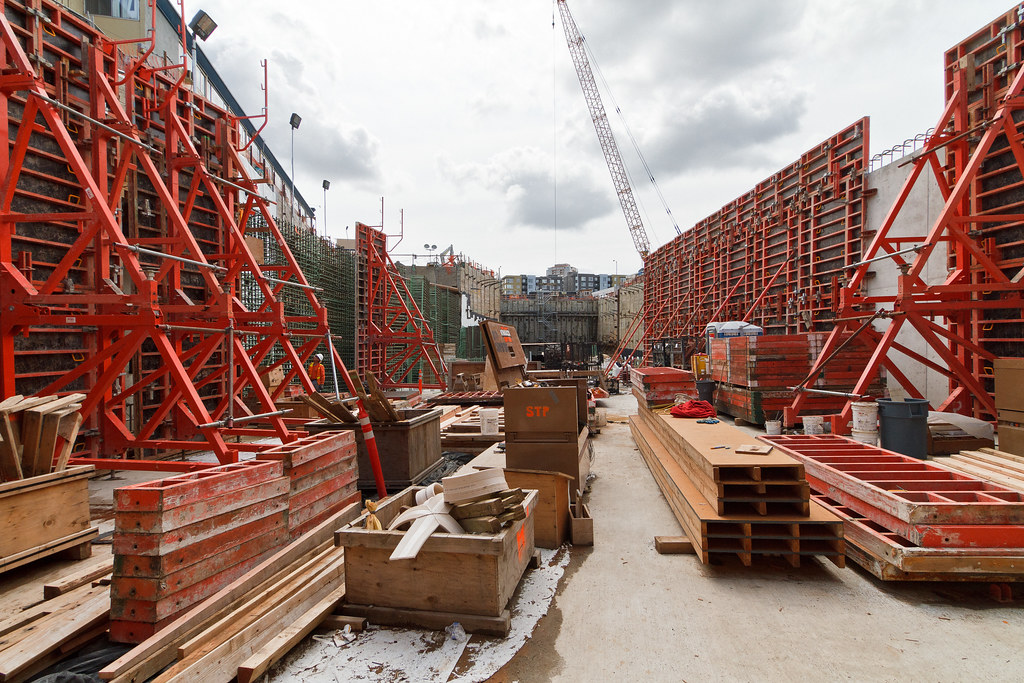
A data center may be the centerpiece of an AI infrastructure project, but it doesn't appear out of thin air. Before the servers start processing anything, businesses have to deliver equipment, install electrical systems, provide cooling infrastructure, coordinate construction, and keep the facility running. Much of that activity requires physical space.
Equipment vendors and contractors may need warehouses to store components before installation. Electrical and cooling specialists need places to stage materials and organize deliveries. Once a data center is operational, some of those needs continue, creating demand that can outlast the initial construction period.
Not all these businesses need a purpose-built data center. Some need large warehouses, others need smaller service facilities, and some may be better suited to light industrial properties. The common thread is that a major infrastructure project can create demand for a broader network of commercial space than the headline investment suggests.
For industrial property owners, that changes the tenant landscape worth watching. A warehouse doesn't necessarily need a traditional logistics company, distributor, or retailer to fill it. As new industries invest in physical infrastructure, their suppliers and service providers can become tenants in their own right.
Why Location Matters Beyond the Data Center
The implications extend beyond the immediate surroundings of a data center campus. These projects depend on supply chains, transportation networks, skilled labor, and equipment suppliers, all of which influence where supporting businesses choose to locate.
Dallas–Fort Worth is a useful example because it combines major freight infrastructure with significant data center development. But the broader principle applies nationally: industrial markets can benefit from the economic activity surrounding infrastructure investment, even when a property has no direct connection to the technology being built.
That doesn't mean every warehouse in a growing data center market is suddenly more valuable. Access to highways, labor availability, building specifications, and tenant requirements all matter. A facility designed for one type of distribution operation may not suit a contractor storing specialized equipment. The opportunity depends on matching the property to the actual needs of businesses entering the market.
For developers, that creates a question worth asking before committing capital: are there industries entering this market whose real estate needs aren't yet well served? The answer may reveal demand that conventional industrial market analysis overlooks.
Follow the Demand, Not Just the Investment
There is an important distinction between a large announced investment and durable real estate demand. A proposed data center may be delayed by power constraints, financing, permitting, or construction challenges. Even a completed project may not generate the supporting demand initially expected. Developers who build industrial space based solely on projected AI investment risk getting ahead of the businesses that would actually lease it.
The better approach is to look for evidence of activity translating into real estate requirements. Are contractors securing space? Are equipment suppliers expanding their regional operations? Are infrastructure companies establishing local facilities? These signals can help distinguish a compelling headline from a leasing opportunity.
This is also where understanding tenant demand becomes especially valuable. The companies supporting an emerging industry may not advertise their real estate requirements in the same way as a national retailer or established distributor. Yet their needs still have to be met somewhere, and property owners who understand those requirements may be better positioned to respond.
The AI buildout is a reminder that commercial real estate demand doesn't always originate with the most visible business in a market. Sometimes the opportunity sits one step removed, in the network of companies that make the headline investment possible. The challenge is to identify where that demand is becoming real, what kind of space it requires, and whether it will last long enough to justify the investment.