5 Hidden Costs Developers Should Account for Before Breaking Ground
A development can look profitable on paper until the unexpected expenses start rolling in. A deal that looked good suddenly has a much thinner margin for error.
Rafael Weiss
Sytes Editorial

A commercial real estate development can look profitable on paper until the unexpected expenses start rolling in. The land price seems reasonable, projected rents support the investment, and construction costs fit the budget. Then a survey reveals a problem, the utility company requires an upgrade, or the municipality mandates improvements nobody accounted for. Suddenly, a deal that looked attractive has a much thinner margin for error.
Before breaking ground on a retail development, there are five costs worth investigating closely, because the expenses missing from your initial budget can be the ones that hurt the most.
1. Due diligence and engineering
Surveys, geotechnical studies, environmental assessments, and engineering reports help determine whether a site can support the proposed project. These expenses are relatively small compared with the total development budget, but their findings can have major financial consequences. Poor soil conditions, contamination, or drainage problems may require additional studies, remediation, or a complete redesign.
The risk is discovering these issues after you've committed to the property. Due diligence isn't just another transaction expense; it's how you find out what you're buying while you still have the option to walk away.
2. Utilities and off-site infrastructure
Nearby utility lines don't guarantee a site has the capacity your project needs. Water, sewer, electricity, and other services may require extensions or upgrades. Depending on the location, developers might also be responsible for road improvements, intersection upgrades, or new sidewalks.
These expenses can change a project's economics substantially, particularly when the land initially appeared inexpensive. Before closing, determine what infrastructure is available, whether it can support the intended development, and who will pay to bring it up to the required standard.
3. Grading, drainage, and stormwater management
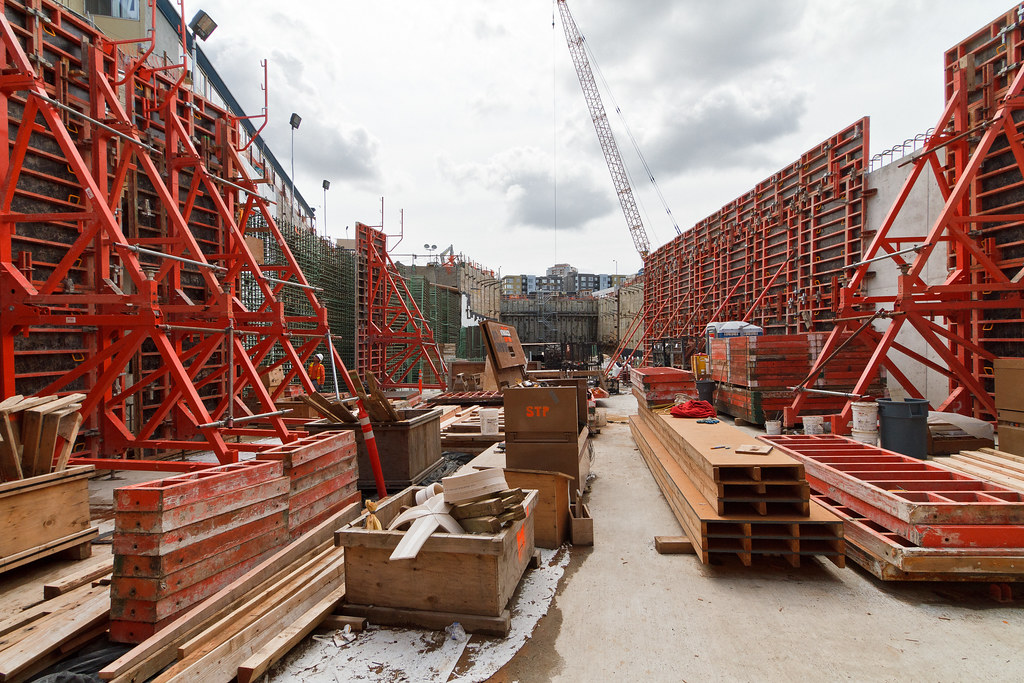
The work required to prepare a site can be surprisingly expensive. Uneven terrain, unsuitable soils, retaining walls, drainage systems, and stormwater management requirements can all add costs before the building itself goes up. Parking lots and driveways introduce their own grading and drainage needs.
Two parcels that look nearly identical from the road may have very different site-preparation costs. Evaluating land primarily by its location and purchase price can leave a developer overlooking the physical conditions that ultimately determine how much it costs to build there.
4. Permitting, impact fees, and required improvements
The cost of getting approval to build extends beyond application fees. Depending on the jurisdiction, developers may face impact fees, additional studies, accessibility upgrades, fire protection requirements, or mandated public infrastructure improvements. Plan revisions can also mean paying consultants and engineers to revisit work that was assumed to be complete.
Requirements vary by municipality, so a developer shouldn't assume the process will resemble a previous project in another market. Understanding local requirements early helps prevent avoidable surprises after significant capital has already been committed.
5. Carrying costs when the schedule slips
Delays can make every other expense more painful. While a project waits for approvals, utility connections, or construction to finish, the developer may still be paying interest, property taxes, insurance, and professional fees without collecting rent.
Consider a project with $40,000 in monthly financing and other holding costs. A three-month delay adds $120,000 before accounting for additional construction expenses or changes in market conditions. The delay might be outside the developer's control, but the financial consequences aren't. A realistic schedule and an appropriate contingency reserve can help absorb that risk.
None of these costs automatically makes a property a bad investment. A site with challenging conditions can still be worth developing if the purchase price and projected returns account for the work required. The important thing is to identify those costs before you've committed so much capital that changing course becomes difficult.
It's also worth validating tenant demand early. Understanding which businesses are looking for space, and what those businesses require, helps developers assess whether a project has a realistic path to occupancy instead of relying entirely on assumptions about who might lease it after construction. Through Sytes, developers can connect with tenant requirements and get a clearer view of potential demand before committing to a project.
The land price and construction estimate may be the most visible numbers in a development budget, but they aren't the whole deal. Before breaking ground, understand what it will take to prepare the site, secure approvals, connect the infrastructure, and carry the property until it generates income. The goal isn't simply to find a project you can afford to build; it's to understand the full cost of getting it to the point where it can make money.