How Long Does It Take to Develop a Retail Property?
The goal isn't simply to confirm that a piece of land can be purchased, it's to understand what it'll take to turn that land into a functioning retail property.
Rafael Weiss
Sytes Editorial
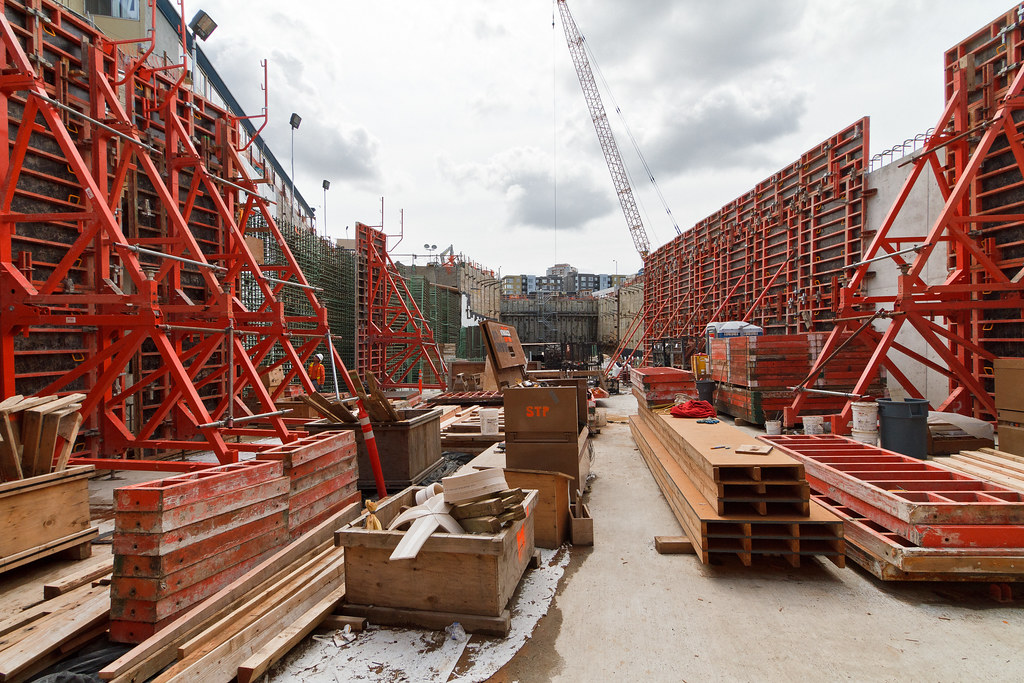
Developing a retail property can take anywhere from a year to several years, depending on the site, the project, and how much work is required before construction can begin. The mistake is assuming the timeline starts when the first crew breaks ground. By that point, a developer may already have spent months evaluating the property, securing approvals, arranging financing, and working through the details that determine whether the project is viable in the first place.
For a relatively straightforward project on a properly zoned site, the process may move much faster than a complicated development requiring rezoning, extensive infrastructure work, or environmental remediation. Ground-up construction for a small retail building might take several months to a year or more, while a larger shopping center can take considerably longer. Those ranges are only starting points; permitting, local requirements, weather, contractor availability, and tenant-specific buildouts can all change the schedule.
Some of the most consequential delays happen before construction begins. A site that looks attractive on a map may have drainage issues, utility limitations, access restrictions, or zoning requirements that make development more complicated than expected. Environmental assessments, surveys, traffic studies, and engineering work can uncover problems that require additional investment or a different design. If the project needs discretionary approvals or public hearings, the developer also has to account for review cycles that may be difficult to predict.
This is why due diligence matters so much. The goal isn't simply to confirm that a piece of land can be purchased, it's to understand what it will take to turn that land into a functioning retail property. Discovering a major constraint before closing can give a developer the opportunity to renegotiate, revise the plan, or walk away. Discovering it after committing substantial capital can leave far fewer options.
Tenant demand also plays a role in the timeline, although not always in the way people expect. A developer can move through design and approvals without having every space leased, but the intended tenant mix may influence the building layout, utility requirements, parking, access, and other design decisions. A restaurant with a drive-thru, for example, has different operational needs from a standard inline retail tenant. If those requirements surface late, the developer may need to revisit plans that were assumed to be settled.
There is a financial dimension to all of this, too.
Carrying costs continue while a project waits for approvals or construction, and interest, taxes, insurance, and other expenses can accumulate before the property generates rental income. A delay of several months can affect the economics of a project even if the eventual building looks exactly as planned. Developers need to understand not just how long each stage might take, but how sensitive the deal is to a longer timeline than expected.
One of the best ways to reduce uncertainty is to think about tenant demand early, alongside the physical and financial feasibility of the site. Understanding which businesses are actively looking for locations, what those businesses require, and whether the market can support them helps inform the development plan before major commitments are made.
Through Sytes, developers can connect with tenant requirements and get a clearer view of the demand that may exist for a property, rather than relying exclusively on assumptions about who might lease it once it's built.
Of course, no amount of preparation eliminates every delay. Permitting offices have their own schedules, construction conditions change, and tenants sometimes revise their plans. The objective is to identify foreseeable obstacles early, build realistic contingencies into the schedule, and avoid making major commitments based on the most optimistic possible scenario.
So, how long does it take to develop a retail property? The better question is how long it will take to move from controlling a site to opening a property that can attract tenants and generate income. Construction is only one part of that equation. The developers who plan for the full timeline, account for uncertainty, and validate demand before committing too much capital are better positioned to deliver a project that works both on opening day and over the long term.