Your Next Retail Tenant Might Already Be Sitting on a Grocery Store Shelf
Instead of spending years building awareness by market, brands can focus on refining customer experience and locations that support long-term profitability.
Rafael Weiss
Sytes Editorial
c
Sometimes that means recognizing where people are moving. Sometimes it's identifying an emerging retail category before it becomes mainstream. And sometimes it means asking a simple question that most people dismiss at first.
What if tomorrow's restaurant tenants aren't restaurant brands at all?
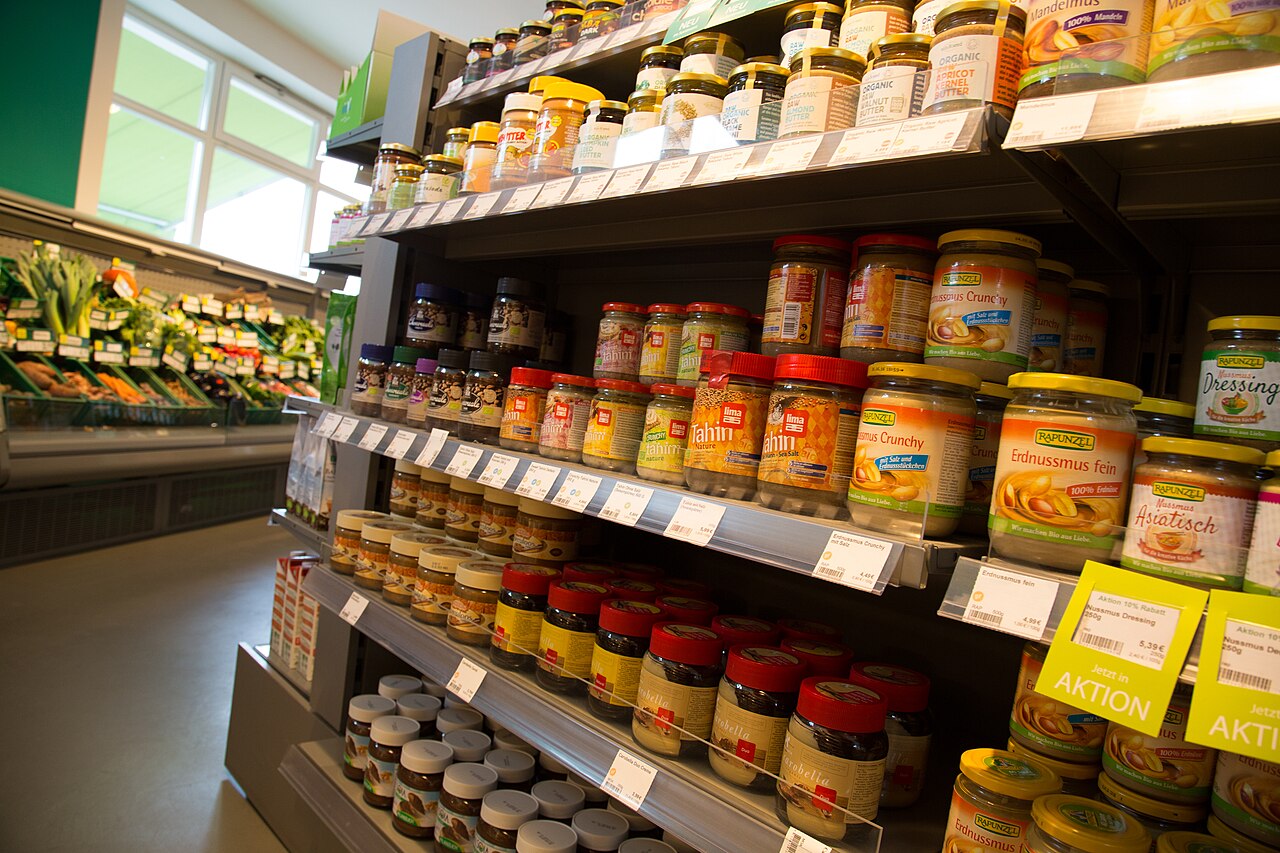
At first glance, that sounds backwards. For decades, the path has almost always flowed in the opposite direction. Successful restaurant concepts extend their brand beyond the dining room and onto grocery shelves. Cinnabon sells frozen pastries and coffee creamers. Auntie Anne's has frozen pretzels. Chick-fil-A bottles its signature sauces. Texas Roadhouse sells steaks and seasonings.
It's a natural progression. A restaurant builds a loyal following, then monetizes that recognition through consumer packaged goods (CPG).
But what if that pipeline begins to run in reverse?
We're already seeing hints of it. Nespresso proved that a packaged coffee brand could successfully operate premium retail cafés, while Nutella transformed a household pantry staple into a destination dining experience in Chicago. Neither concept exists simply as a marketing stunt. They're immersive brand experiences that strengthen customer loyalty while generating revenue of their own.
So then, what happens when more CPG brands decide they don't need to stop at the grocery aisle?
Imagine La Colombe expanding into neighborhood cafés designed around its coffee products. Picture Liquid Death experimenting with a drive-thru beverage concept. Think about Graza building a fast-casual restaurant centered around the olive oil that already has a devoted following. Maybe it's a protein-focused pizza chain built around a health brand that's already earned consumer trust.
Some of those ideas may never happen. Others may sound unconventional today. Then again, so did many of the retail concepts we now consider completely normal.
The ingredients are already there. These companies often have national brand recognition, loyal customer bases, sophisticated marketing teams, and distribution networks that most startups could only dream of building. Unlike a brand launching from scratch, they're introducing physical locations to consumers who already know what they're buying.
That changes the economics.
Instead of spending years building awareness market by market, these brands can focus on refining the customer experience and finding locations that support long-term profitability. The brand equity already exists. The challenge becomes translating it into a successful physical concept.
For landlords and developers, that possibility is worth paying attention to.
Traditionally, tenant prospecting has focused on established restaurant operators, expanding franchise systems, and proven retail concepts. But if more CPG companies begin experimenting with brick-and-mortar locations, the pool of potential tenants suddenly becomes much larger than many people realize.
A CPG brand entering physical retail isn't just filling a vacancy. It may bring an existing audience, built-in marketing momentum, and a customer base that's already emotionally invested in the product. That's a different proposition than leasing space to an unknown concept trying to earn recognition one neighborhood at a time.
Will every packaged food brand become a restaurant? Of course not.
But commercial real estate has a habit of rewarding people who notice emerging patterns before they become obvious. Twenty years ago, few people expected digitally native retailers to become major shopping center tenants. Today, many of them are. The next evolution may not come from traditional restaurant operators at all. It may come from companies that have spent years building consumer loyalty in grocery stores before deciding it's time to meet customers somewhere new.
At Sytes, I spend a lot of time tracking where tenants are expanding and how leasing demand evolves. One thing I've learned is that new categories rarely announce themselves all at once. They appear gradually, with a few unexpected entrants proving the model before others follow.
If consumer packaged goods companies can demonstrate that physical locations aren't just brand-building exercises but profitable businesses in their own right, don't be surprised if more of them start looking for space.
And when they do, landlords and developers who recognized the trend early will already know exactly where to put them.