What Makes a Retail Development Site Worth Buying?
Instead of finding land, designing a project then hoping the right tenants appear, you can start with what tenants are looking for and work backward from there.
Rafael Weiss
Sytes Editorial
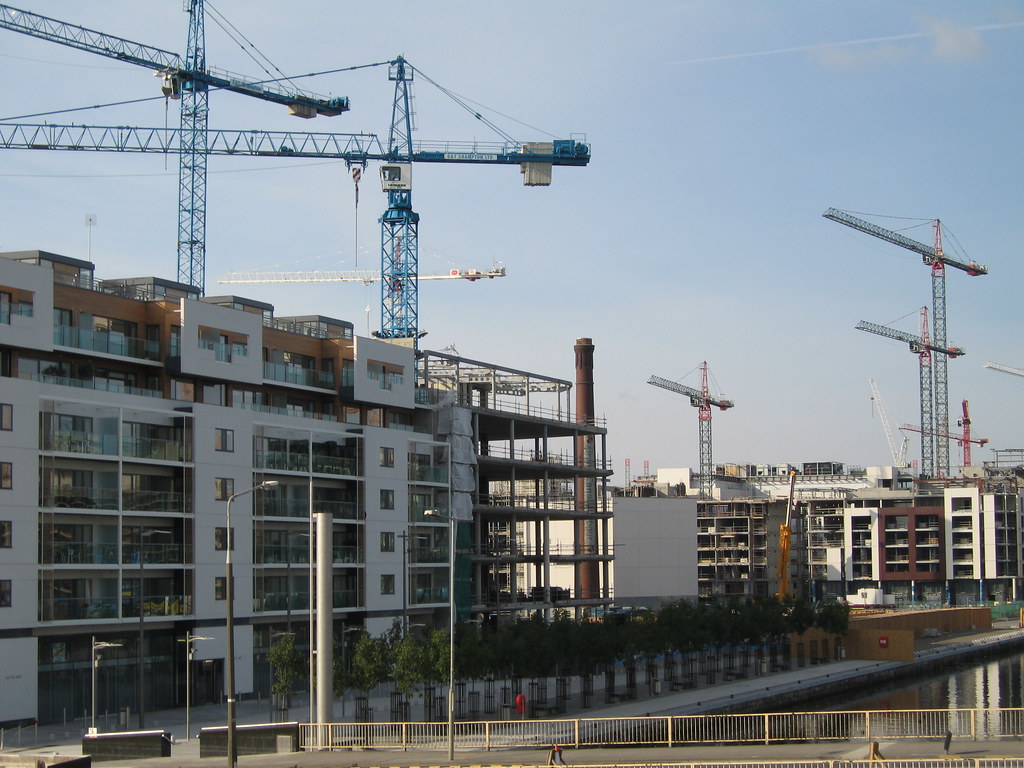
Choosing a retail development site is usually presented as a checklist. Look at traffic counts, demographics, visibility, parking, competition, household income, and surrounding development, then plug everything into a model and decide whether the land makes sense. Those things matter, but I think developers can get into trouble when they start with the property instead of starting with the demand.
Before I get too excited about a piece of land, I want to know who is going to want to be there.
That means looking at what is happening in the market beyond the traditional demographic reports. Are retailers expanding? Are restaurants opening new locations? Are medical operators looking for space? Are multiple tenants actively searching for sites that resemble the property I'm considering? Population growth tells you that there may be more customers coming, but tenant expansion tells you that businesses are already willing to bet on those customers.
Once the market makes sense, then I want to understand the site itself. Access, visibility, parking, signage, traffic patterns, surrounding businesses, and ingress and egress can determine whether a theoretically great location actually works for the customer sitting behind the wheel. A site can look fantastic on a map and become considerably less attractive when you realize customers have to make an awkward turn across three lanes of traffic to get into it.
The surrounding real estate matters, too. Retail doesn't operate in isolation, and the right tenant mix can make an entire center more valuable than the sum of its individual leases. A grocery store can create traffic for restaurants, a fitness operator can complement a coffee shop, and a strong service tenant can give customers another reason to visit the property. When evaluating a site, I want to think about whether the businesses I expect to attract will actually make each other more successful.
Then there is the part nobody puts in the marketing brochure: what it will actually take to develop the property.
Zoning, entitlements, utilities, environmental issues, stormwater, easements, road improvements, site work, construction costs, and timelines can turn an inexpensive parcel into an expensive project. The cheapest piece of land isn't necessarily the best basis if it takes years and millions of dollars to turn it into something tenants can occupy.
But even after all of that, I come back to the same question: is there enough demand to justify building here?
This is where I think developers have an opportunity to approach site selection differently. Instead of finding land, designing a project, and then hoping the right tenants appear, you can start by understanding what tenants are already looking for and work backward from there.
That's part of what makes the demand data we see through Sytes so interesting. When you know where tenants are actively looking and what they're asking for, you have another lens through which to evaluate potential development sites. You're not just asking whether a piece of land could support a retail center; you're asking whether the center you're considering building solves a problem that tenants already have.
Of course, tenant demand doesn't make a bad site good. You still have to underwrite the deal, understand the development costs, and determine whether the risk and return make sense.
But I would rather start with a site where the market is already telling me, "We want something like this," than build something and spend the next two years trying to convince someone they should want it.
The best development sites aren't necessarily the ones that look best on a map or produce the prettiest spreadsheet. They're the ones where the market, the real estate, the economics, and the tenants all line up.