"They'll Always Be There" Isn’t Always The Right Choice
The landlords who navigate market cycles aren't always ones who pick perfect tenants. They're ones who build portfolios to adapt when a tenant suddenly isn't.
Rafael Weiss
Sytes Editorial
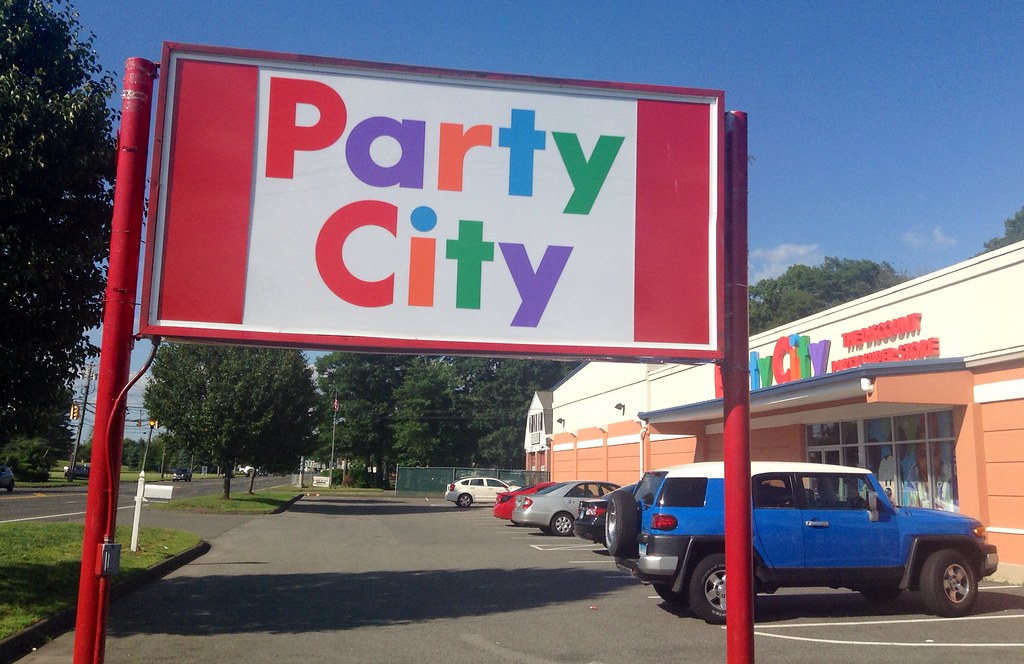
We all remember growing up with brands and stores that seemed untouchable. They were ubiquitous in their own way, to consumers and retailers, and often dominated their markets. Now, however many years it’s been since you were a child, those brands no longer exist.
One of the most expensive mistakes landlords and developers can make is assuming that today's tenant credit will look the same five years from now. History suggests otherwise.
Take Party City. For years, it was a staple of power centers across the country. It occupied large-format spaces, had strong brand recognition, and benefited from being a category leader in party supplies. Yet changing consumer habits, growing competition from online retailers, and mounting financial pressures ultimately caught up with the company. After multiple bankruptcy filings, hundreds of locations disappeared, leaving landlords scrambling to fill large boxes that weren't always easy to re-tenant.
JOANN tells a different story with a similar ending. During the pandemic, the company appeared perfectly positioned. Consumers were spending more time at home, DIY projects surged, and craft retailers experienced a wave of demand. For a period, the business looked like a beneficiary of a changing world. The challenge was that temporary demand spikes don't always translate into durable business models. Once consumer behavior normalized, the economics became much harder to sustain.
Drugstores were once viewed as some of the safest tenants in retail real estate. That's what makes Rite Aid such an important case study. For decades, pharmacy chains were considered defensive assets, supported by healthcare demand and recurring customer visits. But even strong sectors can face disruption. Competitive pressures, reimbursement challenges, debt burdens, and changing consumer preferences transformed what many viewed as a stable credit into a cautionary tale.
Then there's Forever 21, which at one point seemed to embody the future of fast fashion. The brand expanded aggressively, became a dominant presence in malls, and appeared to have strong momentum behind it. But retail doesn't stand still. Consumer tastes shifted, e-commerce accelerated, and new competitors emerged with business models built specifically for the digital era. What once looked like a growth story eventually became another vacancy problem for landlords.
Some failures are even more surprising because the underlying concept appears sound. 99 Cents Only Stores operated in a discount retail environment that, on paper, should have benefited from inflation-conscious consumers. Yet rising operating costs, supply chain challenges, and razor-thin margins created a business environment that became increasingly difficult to navigate. A good concept alone isn't always enough.
Perhaps the most instructive example is Foxtrot. The company generated tremendous excitement. It combined convenience retail, food service, technology, and a modern brand identity that seemed tailor-made for urban consumers. Investors loved it. Customers loved it. Expansion accelerated.
Then it was gone.
Foxtrot's collapse serves as a reminder that strong branding and market buzz are not the same thing as long-term financial durability. Sometimes the brands that feel most exciting carry risks that aren't immediately visible from the outside.
While each of these stories is different, they all point to the same lesson.
Tenant credit changes. Fast.
A tenant that appears rock-solid today can become tomorrow's vacancy. Market conditions shift. Consumer preferences evolve. Competitive landscapes change. Business models that once seemed unstoppable can deteriorate far more quickly than most people expect.
That's why I've become increasingly focused on tenant demand data through Sytes.
I don't just want to know which tenants are actively leasing space today. I want visibility into who's expanding, who's entering new markets, and which concepts could potentially backfill space if conditions change. Because the best defense against tenant risk isn't predicting every failure before it happens.
It's making sure you have options when it does.
The landlords who navigate market cycles most successfully aren't necessarily the ones who pick perfect tenants. They're the ones who build portfolios resilient enough to adapt when a seemingly bulletproof tenant suddenly isn't.